How a Seasonal Custom Becomes a Shared Tradition
Learn how a seasonal custom becomes a shared tradition through a clear ritual, flexible participation, and practical ways to carry its memory forward.
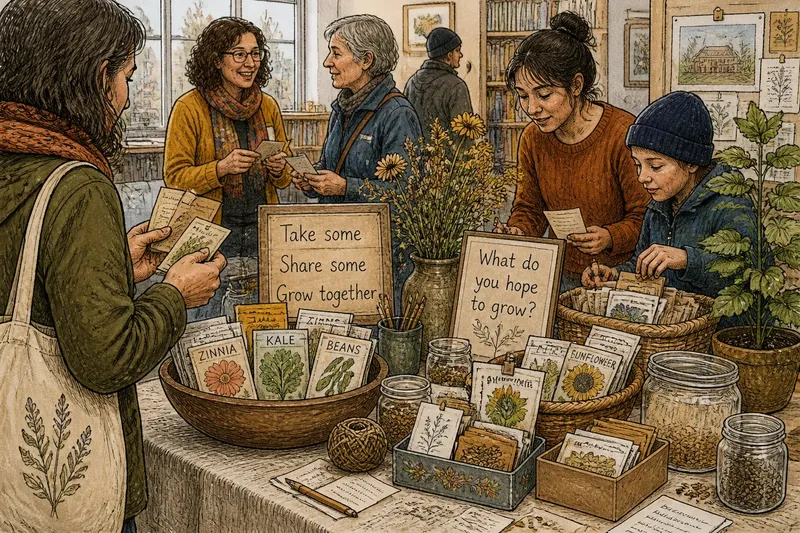
A seed swap at the library becomes a shared tradition when neighbors can recognize its central gesture and help shape what happens next. That is how a seasonal custom becomes a shared tradition: the seed table returns, while the people around it decide how to make the gathering their own.
A few thoughtful choices help a custom stay welcoming without turning it into a fixed performance. Keep its anchor clear, make participation visible and varied, and pass along the knowledge that helps neighbors continue it.
Choose a clear anchor
A tradition needs a recognizable center. It might be the first lantern walk of autumn, a shared pot of soup on the community garden’s closing day, or a table where residents trade seeds before planting season. The anchor makes the gathering familiar even when its details change.
Choose an action or object that belongs naturally to the season and needs little explanation. A bowl of seed packets tells newcomers what a seed swap is about more plainly than a complicated program. Keep the central gesture modest, with ways to join by bringing something, arranging the table, or simply stopping by.
Clarity also helps a custom survive a change of venue or organizer. If a courtyard is unavailable, a seed swap can move to a library meeting room while preserving the exchange. The place may matter deeply, but the custom should not depend on one person’s private knowledge or a fragile setup.
Adapt without erasing
Recurring does not mean identical. A familiar anchor offers recognition; small changes let a gathering respond to the people who live nearby. A seasonal meal might keep its shared table while making room for a recipe brought by a new resident.
Make adjustments understandable. A hand-lettered card can explain that the event starts earlier this year or that an outdoor activity has moved inside. A little context helps a change feel like part of the custom’s story rather than a quiet replacement.
Say a neighborhood seed swap has always taken place on the library lawn, but construction closes the space. Organizers move the exchange to the lobby, keep the seed table, and invite visitors to write down what they hope to grow. The starting point is a familiar outdoor swap; the actions preserve the exchange and add an optional note-making activity; the expected result is a gathering that remains recognizable while giving neighbors a new detail to carry forward.
Make contributions visible
A custom gathers shared meaning when people can see that their contributions matter. A recipe card beside a communal dish, a label on a donated seed envelope, or a hand-painted sign can show that many neighbors helped make the gathering.
Offer different kinds of contribution. Someone might set out chairs, translate a short invitation, lend a folding table, bring a small item, or help clean up. Name the tasks and provide a contact person so participation does not depend on guessing what needs doing.
Visibility should not turn people into exhibits. Ask before displaying a name, photograph, family story, or personal object, and make it easy to contribute without being singled out. The point is to show that many hands shape the custom, not to rank contributions by size or public attention.
Keep a useful memory
Memory connects gatherings across seasons, especially when organizers change. Keep a simple record for the next round: a note about what the group did, a sketch of the table layout, a list of songs people chose, or recipes contributors have agreed to share. A community center or library can offer a practical place to store materials people may need again.
Keep the record selective. A brief account can capture what made the day recognizable and what people want to change without trying to preserve every detail. Invite participants to add a sentence or drawing, and give them a clear choice about whether it may be kept or shared.
A memory should invite, not dictate. If old notes say the gathering always began outdoors, they should not prevent future neighbors from choosing a more comfortable indoor space. Preserve the reason a custom mattered—perhaps the chance to exchange something useful—rather than treating every past arrangement as sacred.
Seasonal traditions?
How does a custom become a tradition?
It becomes a tradition as people repeat a recognizable action and give it shared meaning. Participation and adaptation help it belong to more than the person who first organized it.
How can newcomers join without knowing the history?
Explain the central action in a sentence and offer a simple way to take part or observe. A short invitation at the entrance can provide context without asking newcomers to learn a long backstory.
What if nobody remembers who started it?
The original organizer matters less than the people who keep the custom meaningful now. Acknowledge what neighbors remember, and leave room for uncertainty rather than inventing a definitive origin story.
When should a community change a custom?
Change it when its current form no longer fits the people, place, or season, or when participants want another way to gather. Explain the adjustment and preserve only the elements that still serve a shared purpose.
Pass along a role
A custom is easier to continue when more than the usual organizer knows how it works. Share small responsibilities: one person contacts the library, another brings the sign, and another gathers suggestions afterward. Make each role specific enough to take on and flexible enough to change hands.
Keep the handoff friendly rather than ceremonial. A conversation, a note in a shared folder, or a quick walk-through of the supplies can transfer useful knowledge. If a task has become burdensome, invite the next organizer to revise it rather than inherit an obligation unchanged.
When the next season arrives, ask how a seasonal custom becomes a shared tradition by considering what should remain recognizable and what neighbors should be free to remake. That question helps preserve the custom’s purpose while leaving room for the people who gather to shape it anew.