Open Invitation or Personal Welcome? Two Ways into a Gathering
Open invitation or personal welcome? Compare two ways to make a gathering easier to join, and choose an approach that fits the people and occasion.

An open invitation makes a gathering visible; a personal welcome helps someone imagine arriving. For a neighborhood potluck, library discussion, or block clean-up, those are different jobs—and many hosts need both. The choice is not between being inclusive and being friendly. It is about what might make the first move feel manageable for the people you hope will come.
Two routes inside
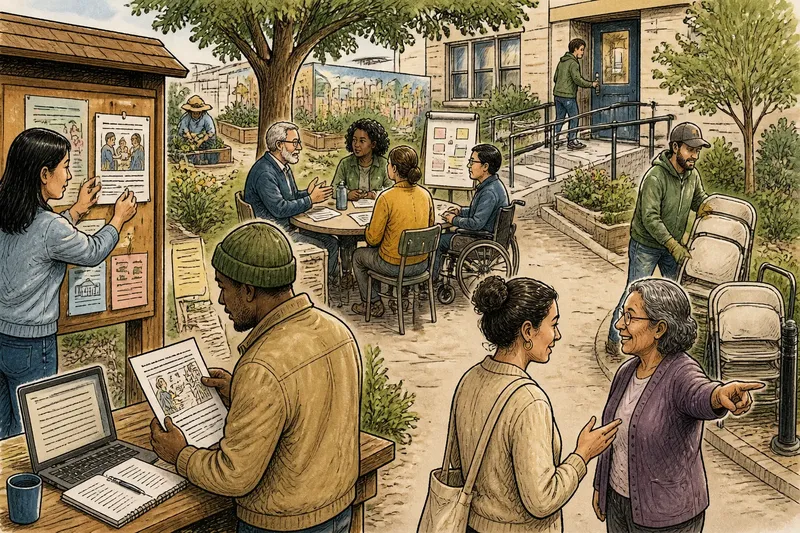
An open invitation is addressed to a group: a flyer on the library board, a notice in a neighborhood email, or a post in a community center’s online calendar. It gives people room to decide privately whether the event suits them. They can forward it, arrive with a friend, or simply keep the details for later.
A personal welcome reaches someone directly. A host might speak to a neighbor after a meeting, send a brief message to a newcomer, or ask a familiar volunteer to invite a friend. That contact can make the event feel less anonymous, but it also asks the recipient to respond to a person, not just consider an idea.
Neither route tells you whether someone will feel at ease once they arrive. Each can, however, remove a different obstacle: an open invitation helps people learn that the gathering exists; a personal welcome can make the doorway seem less daunting.
When broad works
A broad invitation suits gatherings where the central appeal is clear and attendance can be flexible. A public craft table at a branch library, for example, can welcome people who are curious but not ready to make a commitment. They can drop in, watch for a moment, or leave without needing to explain themselves.
This approach also reaches beyond a host’s existing circle. A notice in several places—a printed poster at the laundromat and a listing on the library calendar—can meet residents where they already look for local information. Use plain language: say what will happen, who may attend, and whether people need to bring anything.
Broad outreach is less helpful when the invitation is so general that people cannot picture the room. “Community gathering” may leave a first-time visitor wondering whether they are expected to know someone or bring a contribution. Specific details offer a useful preview without turning the event into a closed club.
When direct works
A direct welcome can help when someone has a reason to hesitate: perhaps they are new to the area, have not attended before, or are unsure whether the gathering is meant for them. A warm, low-pressure message can answer the unspoken question, “Would I be out of place?”
Keep the invitation easy to decline. Name the event, explain why you thought of the person, and make clear that no special role is expected. Avoid implying that their attendance is needed to rescue the event or represent a whole group. The goal is to open a door, not create an obligation.
Personal outreach has limits. Hosts cannot know every resident, and an invitation passed only through friends can make a public gathering look private. Direct welcomes work best alongside a visible, open route that anyone can use.
Match the invitation?
What should an open invitation include?
Give the event’s purpose, location, time, and a contact point for questions. A short note about what happens on arrival—such as whether people can simply listen—helps visitors judge the fit.
How can I invite someone without pressure?
Be specific and give them an easy out: “I thought you might enjoy the garden swap; no need to bring anything, and feel free to pass.” A personal invitation should sound like an option, not a request for a favor.
Can a gathering use both approaches?
Yes. Publish the event openly, then personally welcome people who may benefit from a little context. Keep the practical details consistent so a direct message does not become a separate, more exclusive version of the gathering.
Which approach suits a first-time visitor?
It depends on what makes arrival feel easier for that person. Some prefer the privacy of finding an event themselves; others appreciate knowing one friendly face will be there.
Choose by the doorway
Think about the moment before someone enters, rather than only the size of the audience you want. Is the main problem that people may not hear about the event? Make the public notice clearer and place it where likely visitors already go. Is the event familiar to regulars but opaque to newcomers? Add personal welcomes and explain what a first visit looks like.
Say you are hosting a neighborhood puzzle night in a recreation room. If residents have not heard of it, you could post a clear notice at the community center describing the casual format and that observers are welcome. If a new tenant asks about local activities, you might also invite them directly and mention that you will be near the entrance. The first action makes the event discoverable; the second gives one person a clearer arrival.
For an event with a fixed role or limited capacity, be candid in the open invitation and in personal messages about what participation involves. For an informal drop-in, avoid language that makes people think they need permission to come. The details should match the actual welcome.
Make room to arrive
Good invitations do not end at the moment someone says yes. A visible sign, a host who can greet arrivals, and a simple explanation of where to sit or begin can turn an invitation into a comfortable entry. These small cues matter especially when newcomers cannot yet read the room.
For a gathering meant to serve the neighborhood, keep both routes available: open invitation for reach, personal welcome for connection. The most useful choice is the one that makes the next step legible without making attendance feel like a test. That is how an invitation can stay public while still feeling meant for a person.